
Made in Italy — Le Marche, Ancona
Thirteen collections of bespoke Italian kitchens, drawn by us, made in Le Marche, and installed in Morocco by our own fitters.
An exceptional kitchen is not judged on the day it is delivered. It is judged ten years later, when the drawer still runs in silence and the lacquer has not moved.
So we spend most of our attention on what stays hidden: the density of the panels, the quality of the runners, the number of lacquer coats, the stability of the timber after seasoning. The drawing comes afterwards — and it comes easily, because sound construction produces sound form.
Every composition is surveyed on site, drawn by our design office, then made in Le Marche, the Italian region where cabinetmaking is a craft handed down rather than an industry. We never install a kitchen we have not drawn ourselves.
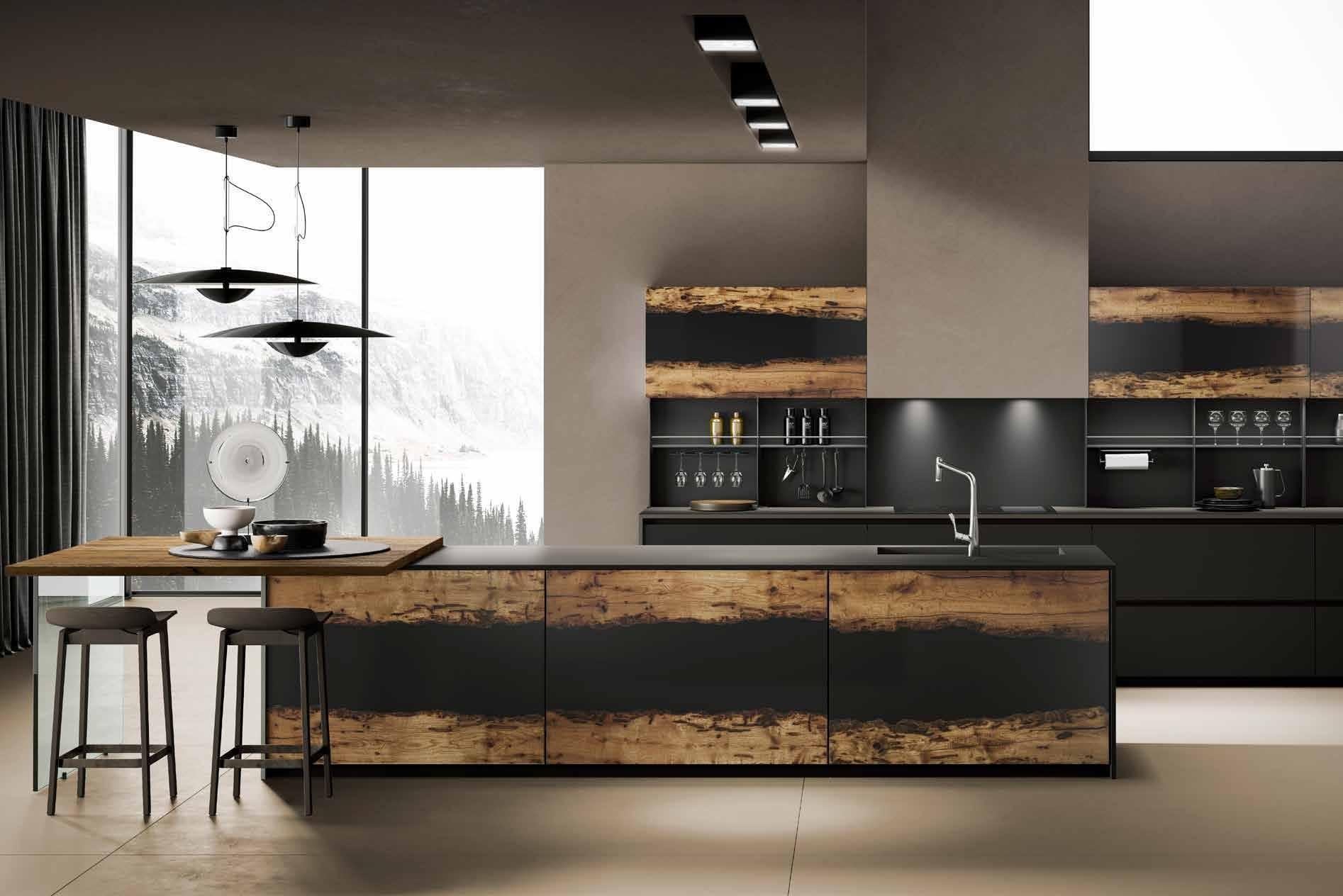
“Remove everything that is not necessary. What remains is the project.”
Materials

Natural stone
Marble
Carrara, Tuscany
Every block is unique. We select the slabs at the quarry and compose the veining at the scale of the room.


Craftsmanship
From the survey to the hinge adjustment three months after installation, every project follows the same protocol. There is no accelerated version.
- 01
The survey
We measure the room ourselves, with a laser distance meter, including out-of-plumb walls and level defects. No project starts from an unverified architect’s drawing.
- 02
The drawing
Elevations, plans and perspectives are produced by our design office. You approve a faithful rendering before the first component is machined.
- 03
The material
Marble blocks are chosen at the quarry, timber species selected slab by slab. You receive photographs of the materials held for your project.
- 04
Machining
Panels are cut and drilled on CNC machines, to a tolerance of two tenths of a millimetre. The machine guarantees repetition; the craftsman guarantees the rest.
- 05
The finish
Booth lacquering, timber brushing, stone polishing. Every surface passes through the hands of a specialist in that material, never a generalist.
- 06
Installation
Our fitters set every module with a laser. The site is handed over cleaned and adjusted, then revisited three months later to reset the hinges.
The film
A short piece, shot in the workshop and the showroom: the movements, the materials and the finishes seen close up, as you would find them on a visit.
House film — shot in Le Marche and in Kénitra. Silent.
Collections
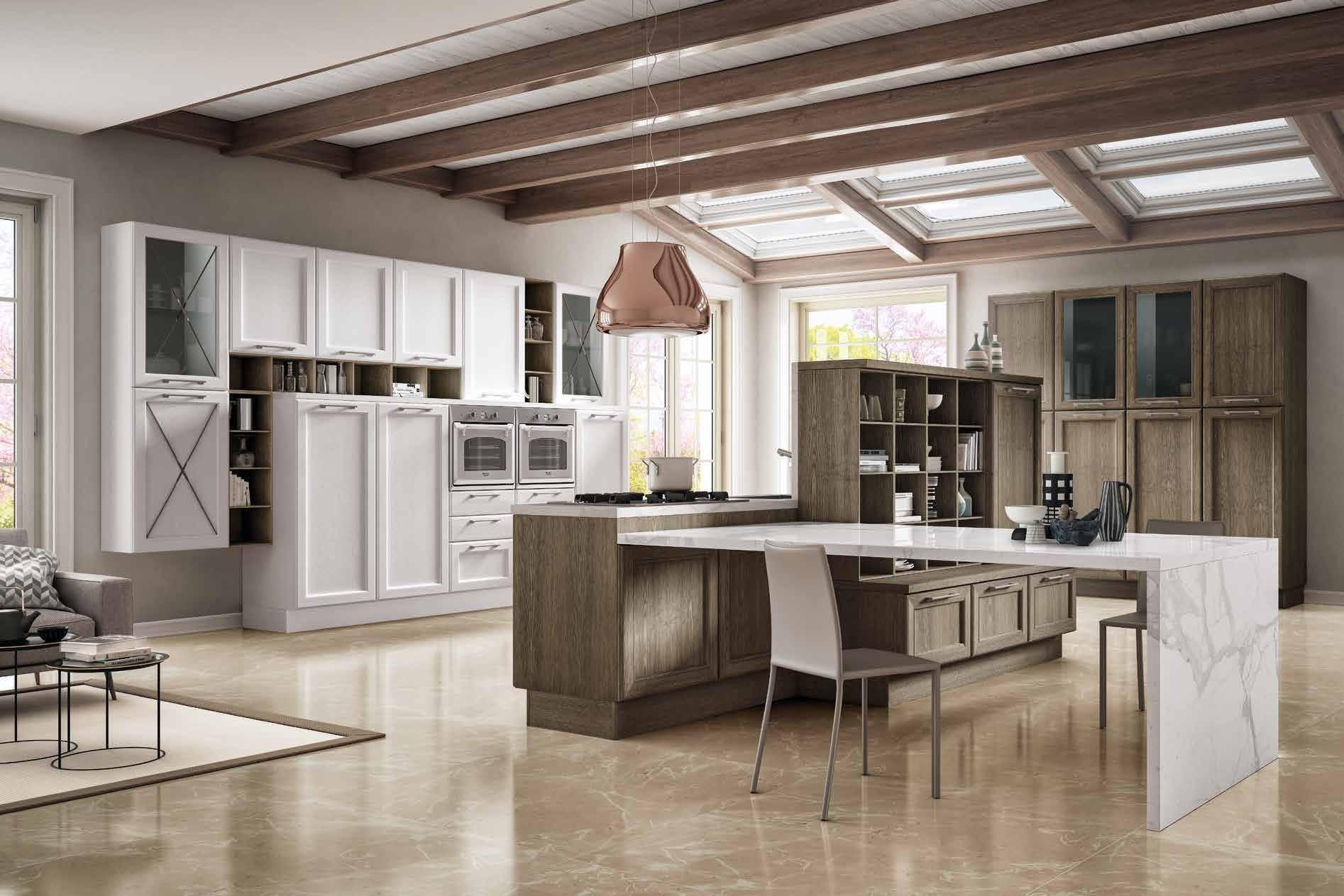
Contemporary
An unbroken horizon
A waterline drawn wall to wall, without a break or a handle.
Brushed solid oakCured matt lacquerCalacatta marble
Imagine your Laguna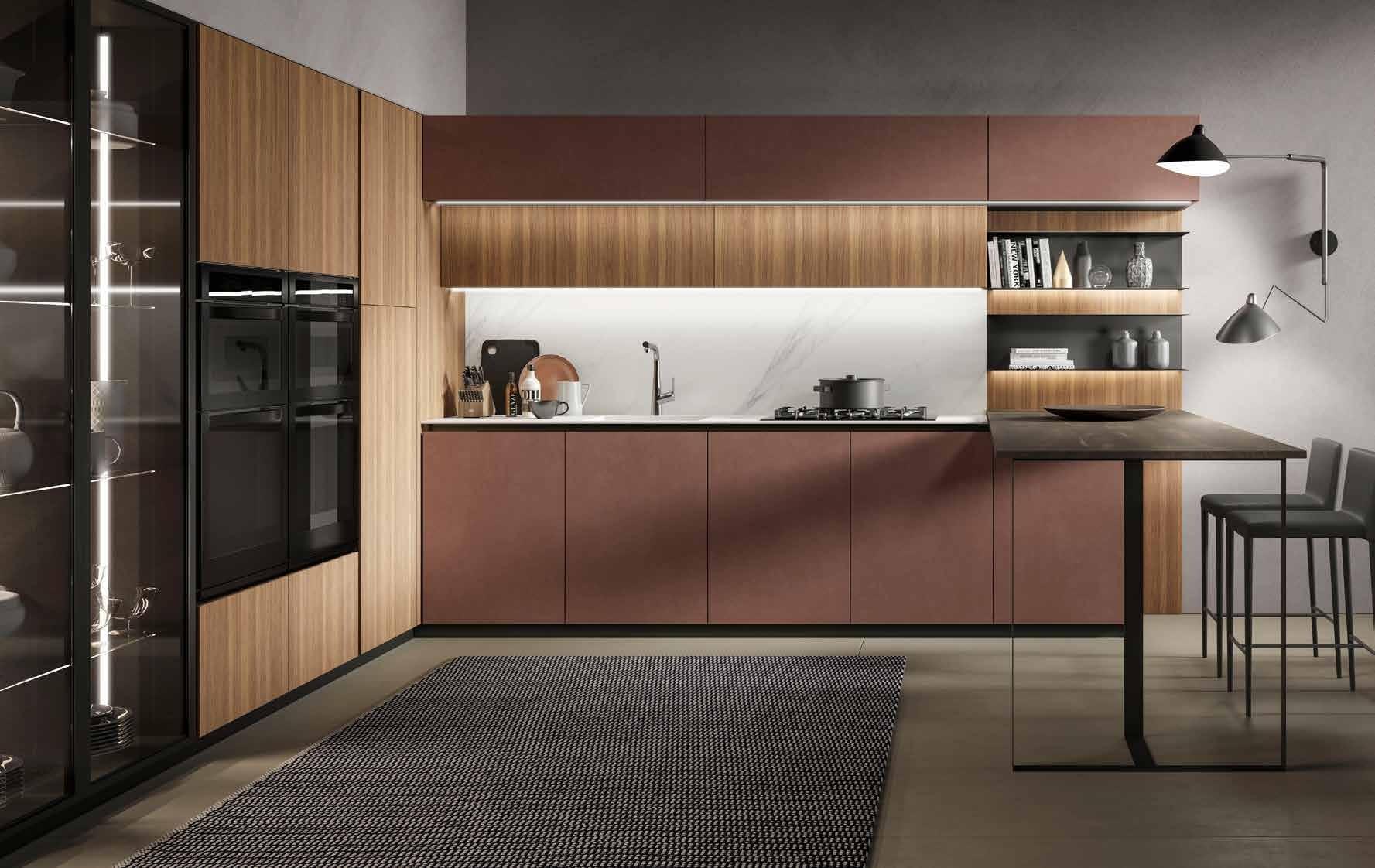
Contemporary
Precision in the detail
The most configurable collection in the house, in Fenix and Sfera variants.
Fenix NTMSolid oakLarge-format porcelain
Imagine your Punto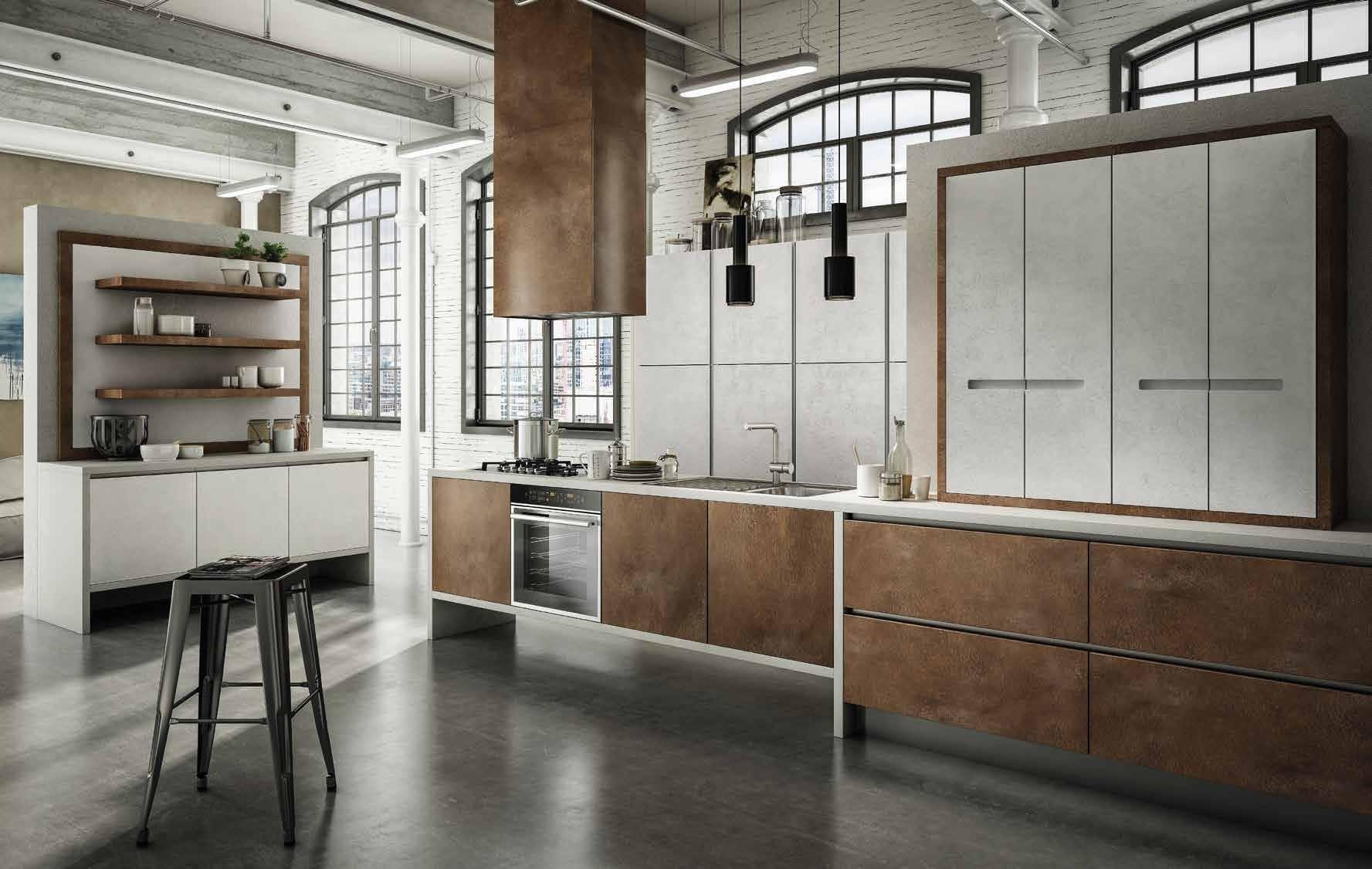
Classic
Classicism rewritten
The traditional frame, stripped of ornament, returned to its geometry.
Solid ashHand-applied patinated lacquerStatuario marble
Imagine your Lesmo Cult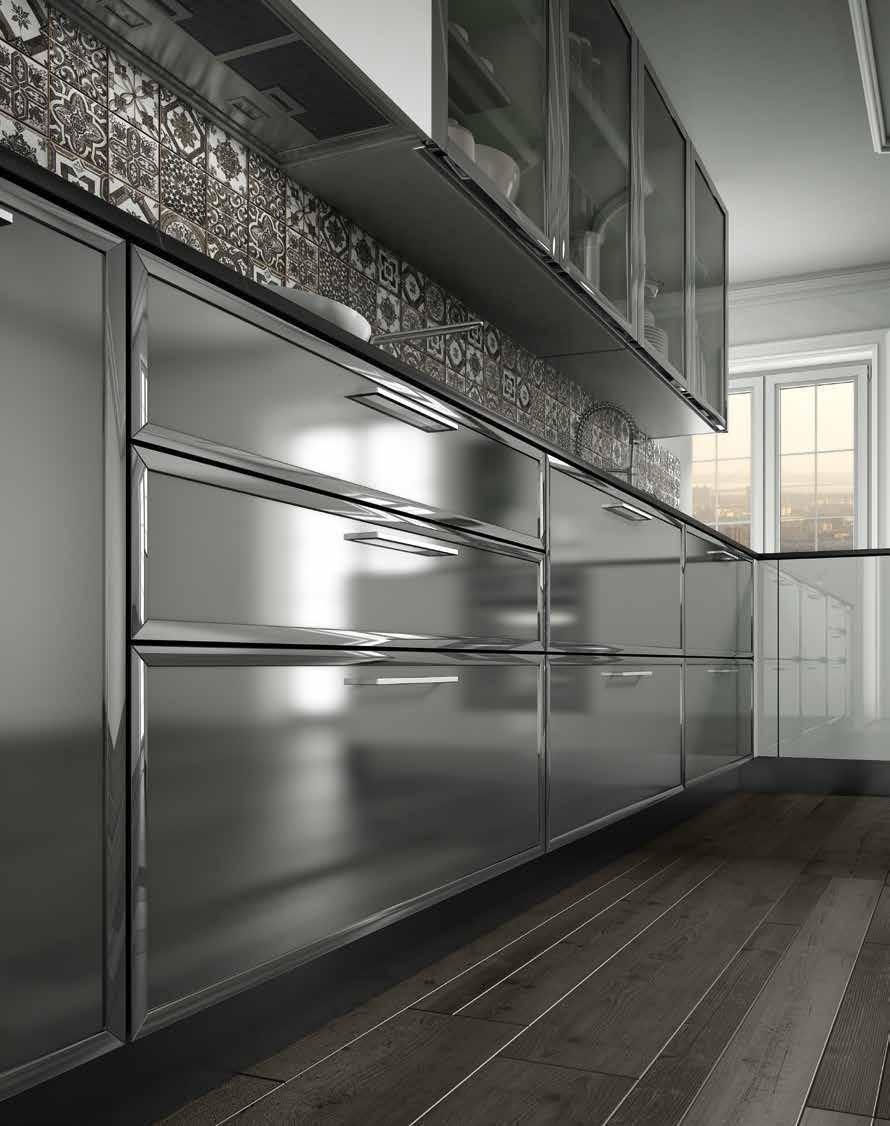
Exceptional materials
Professional rigour
The stainless steel of the professional kitchen, brought into the home.
AISI 304 stainless steelSolid oakTechnical porcelain
Imagine your Steel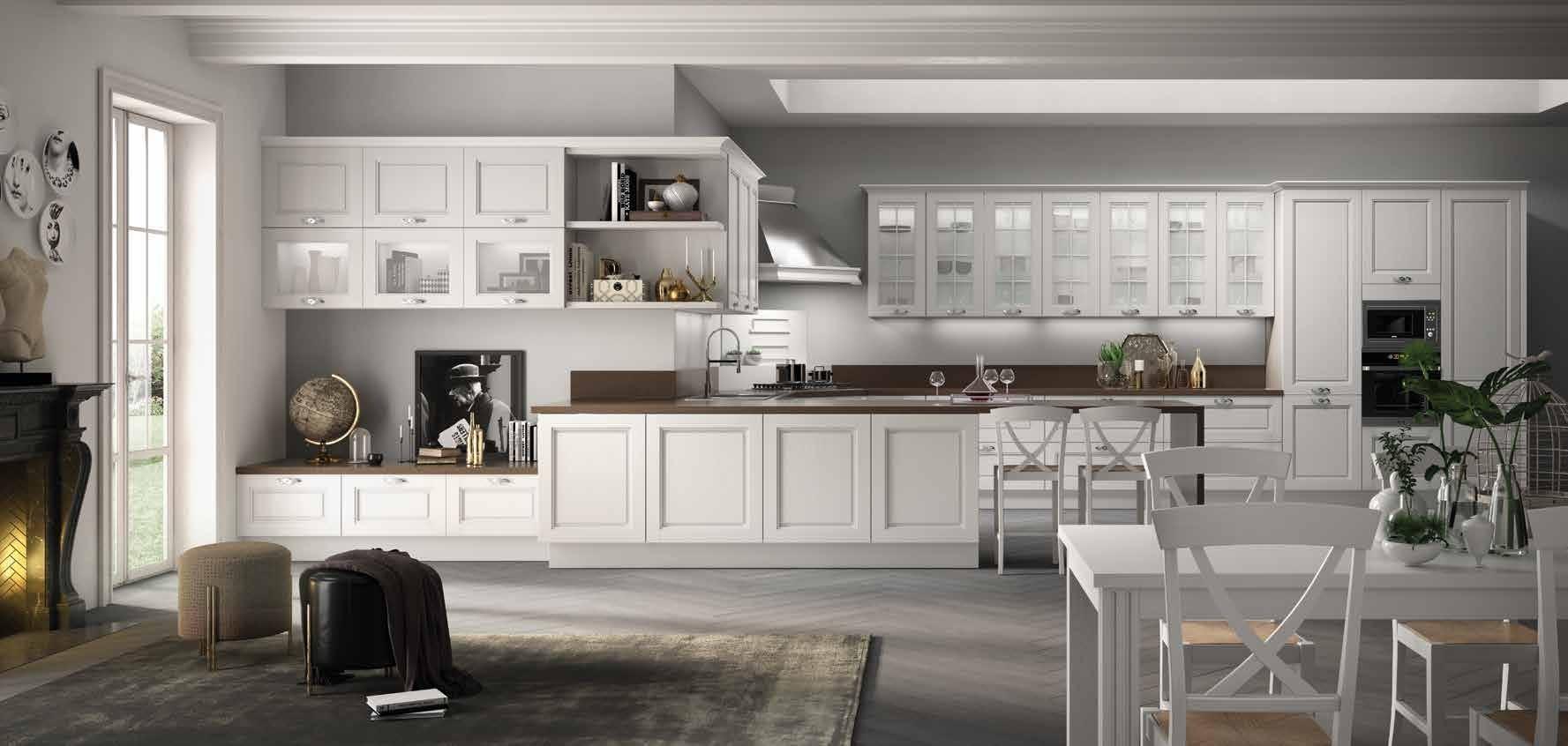
Exceptional materials
Pearl and restraint
A pearlescent finish that shifts in tone through the day.
Pearlescent lacquerDiscreetly veined marbleLimed oak
Imagine your Perla
Gallery
Victory
Steel
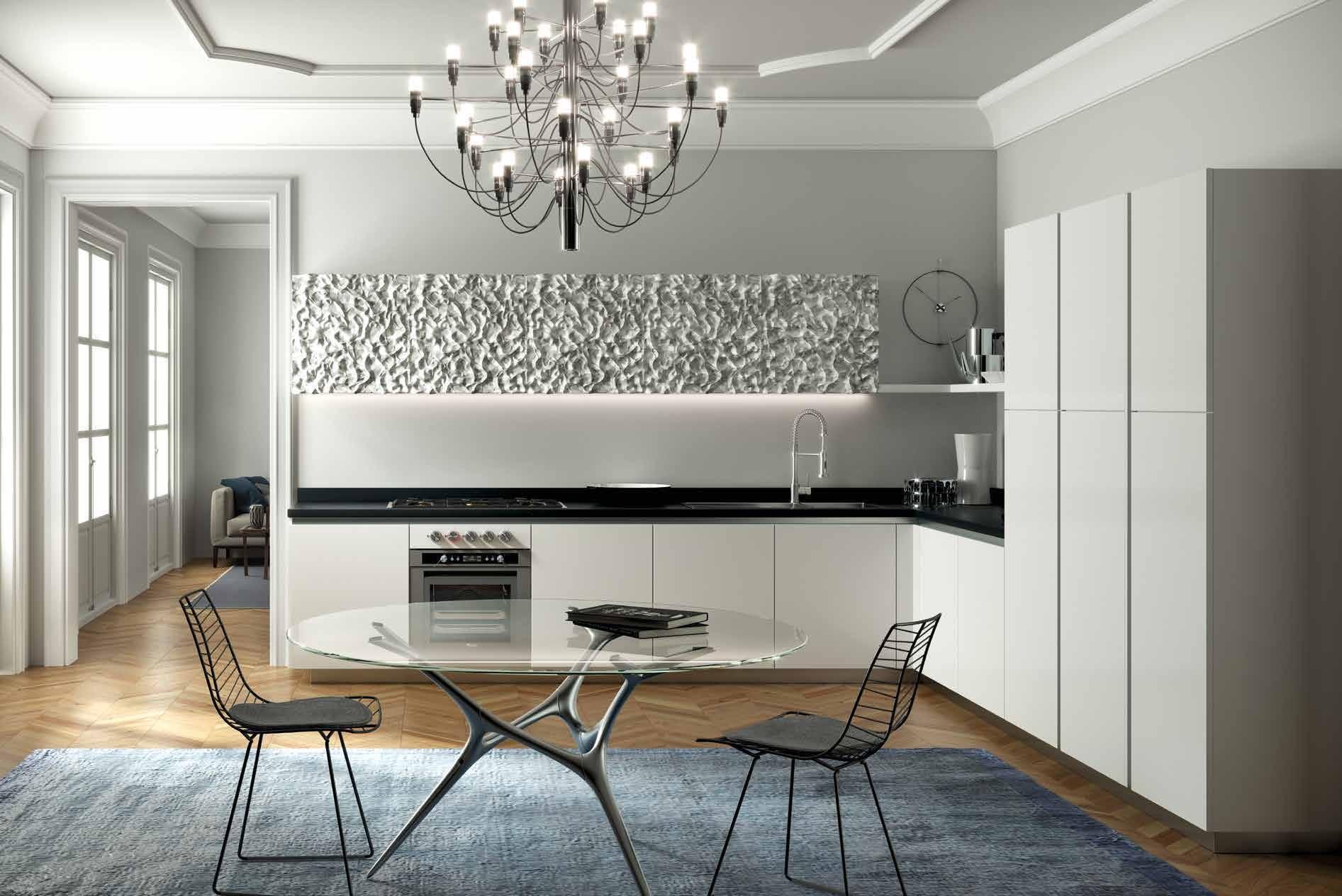
Lesmo Cult
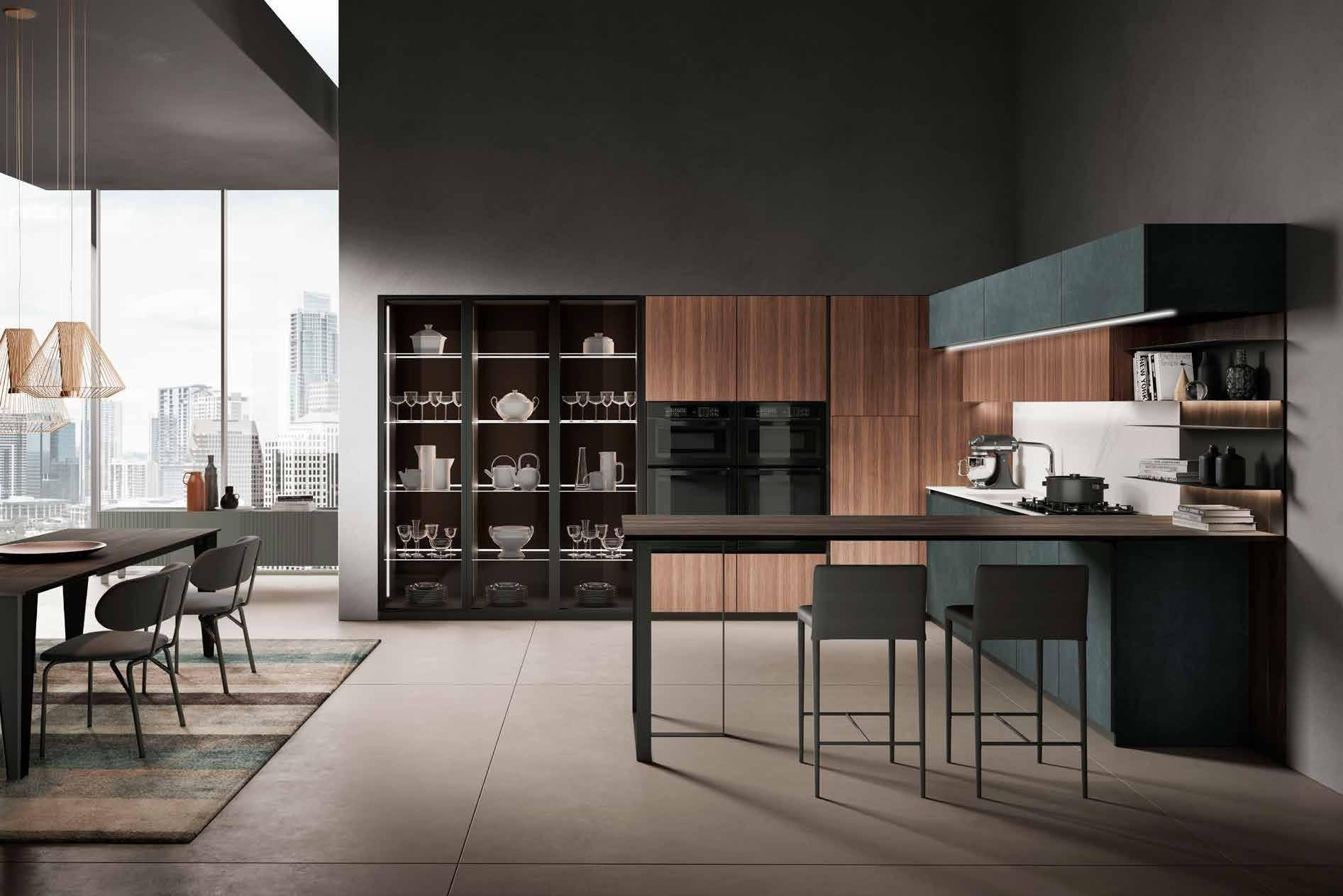
Punto
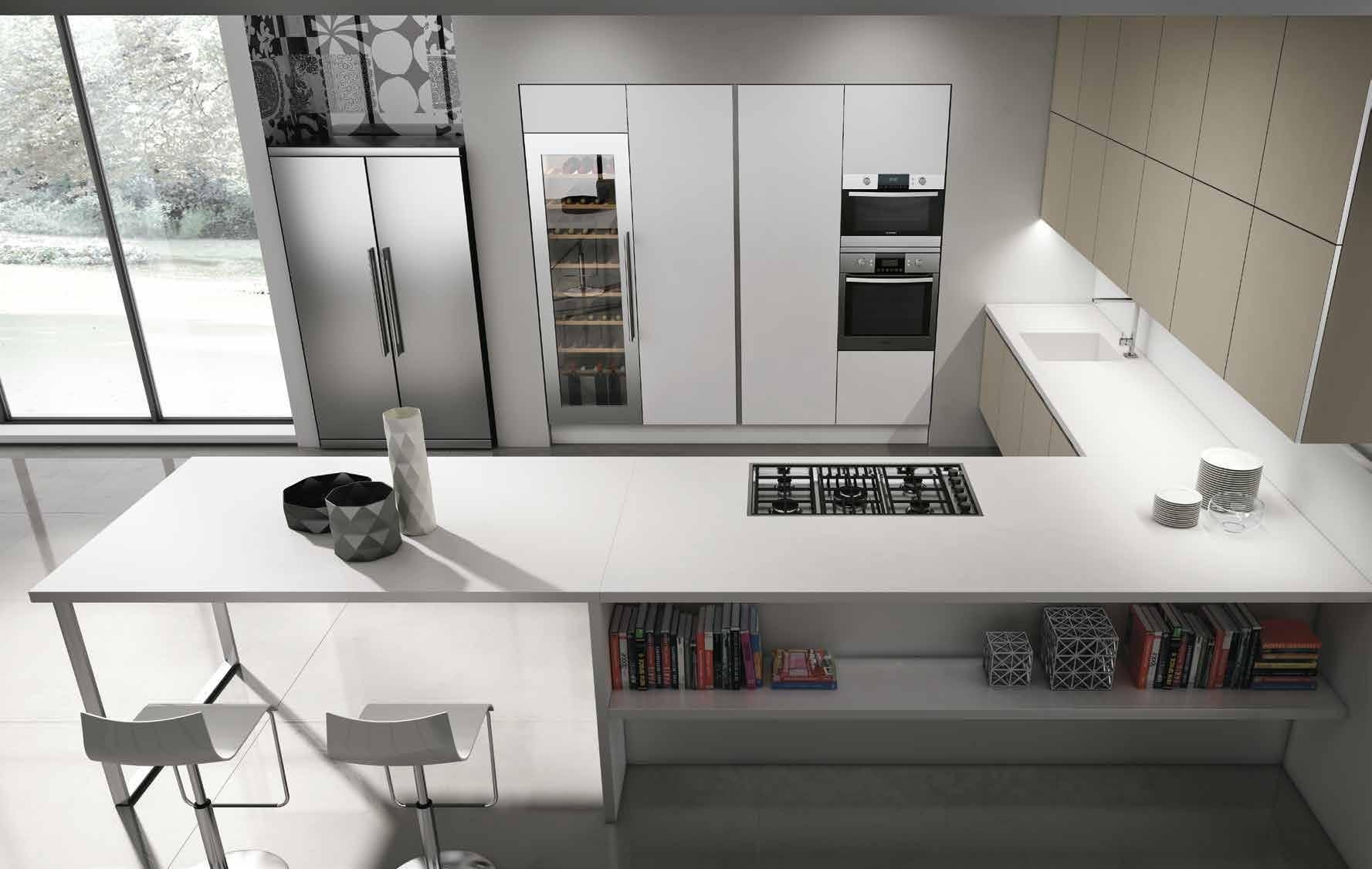
Mirror
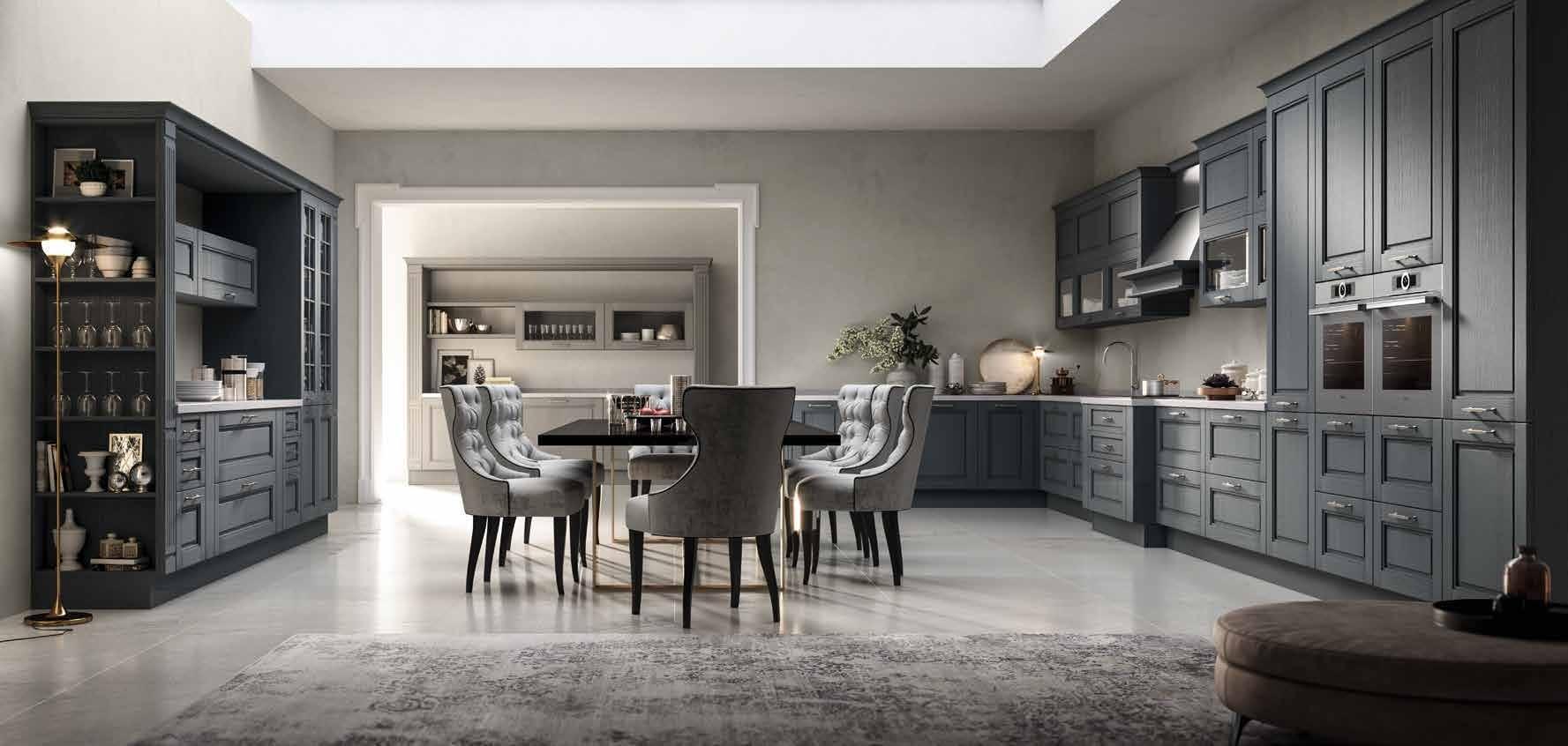
Perla
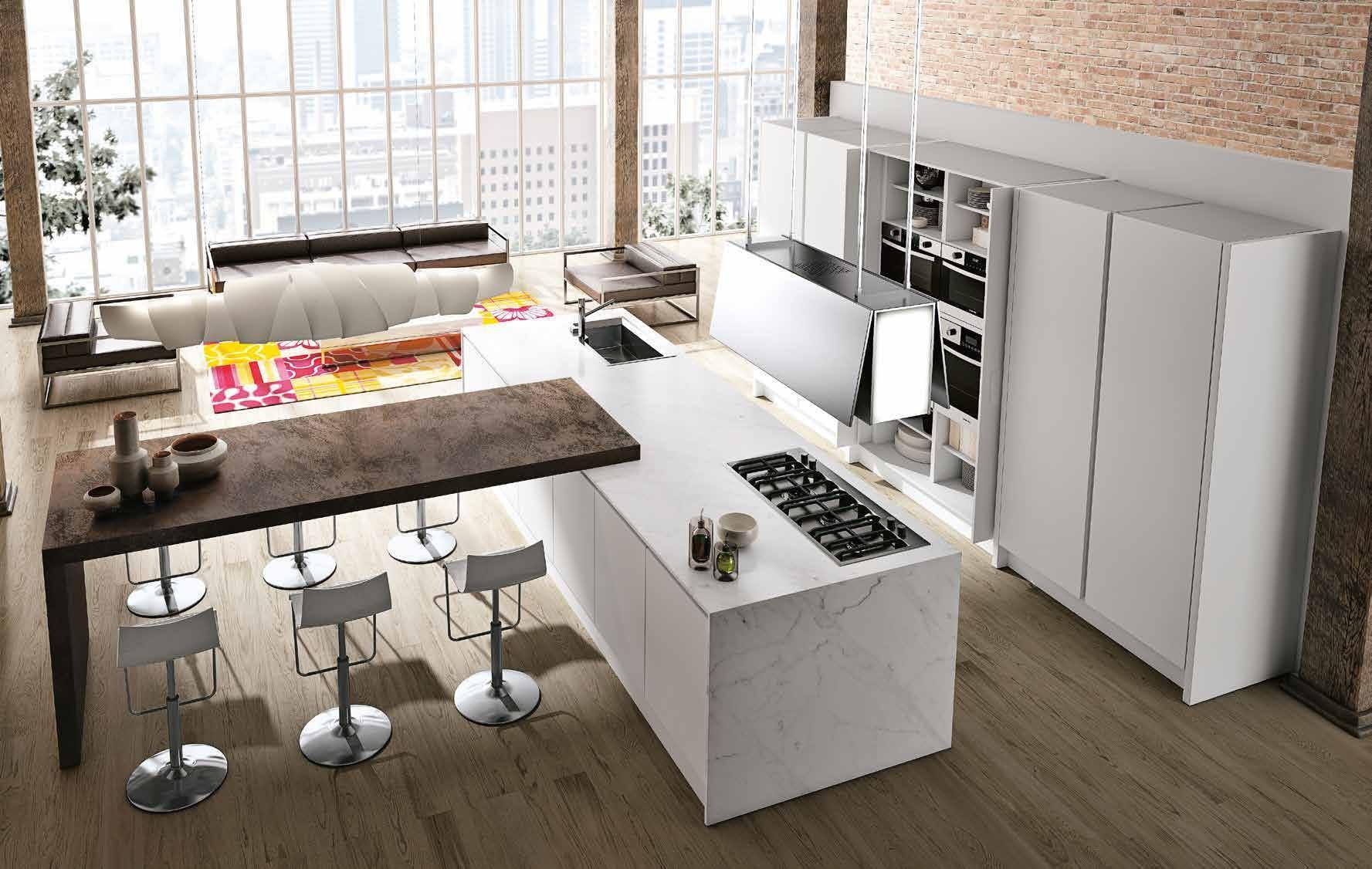
Opera
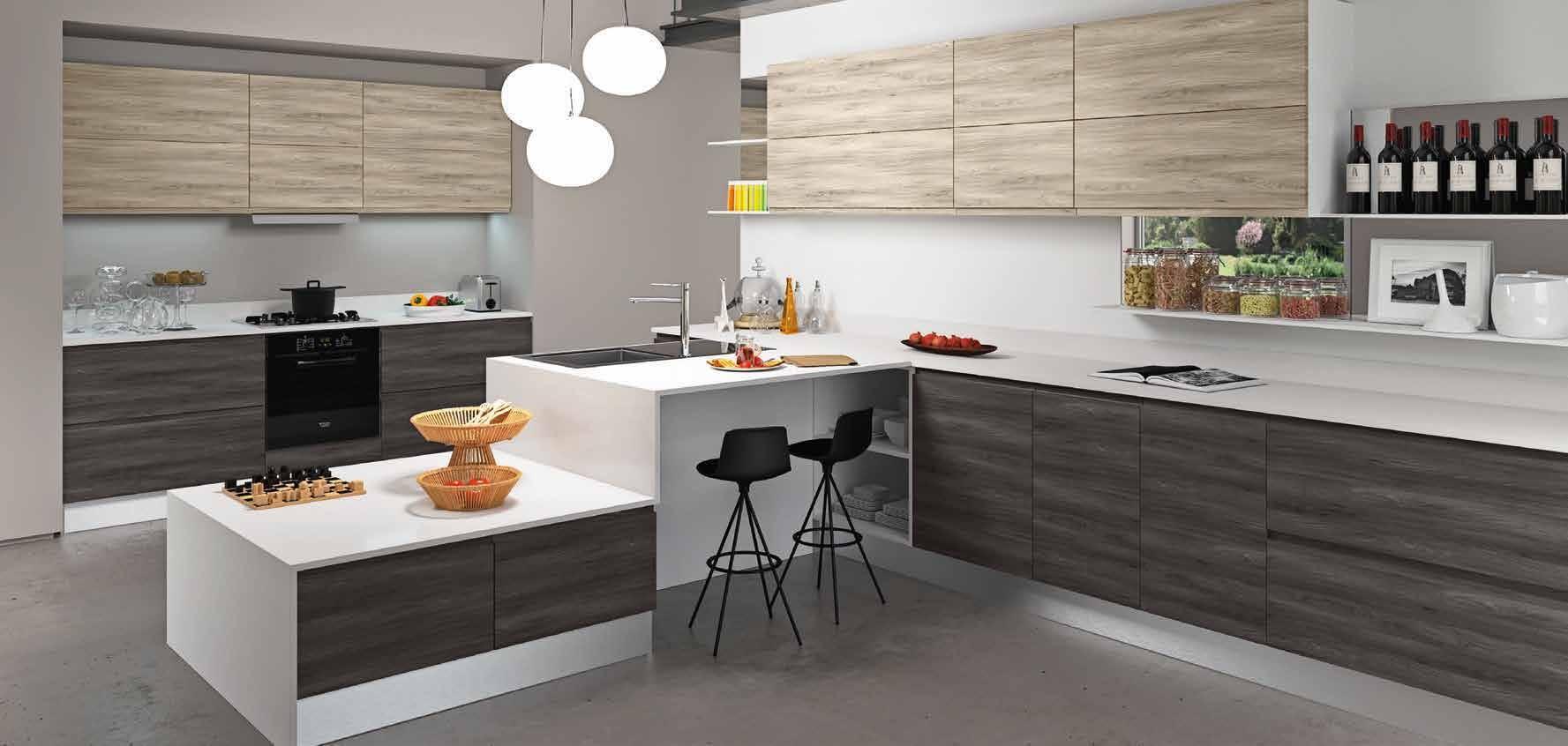
Jay
Editorial
In Italy the kitchen is not a technical room. It is the room the house gathers in.
What is well built eventually becomes beautiful.
Heritage
1970
Le Marche, a land of cabinetmakers
1985
From furniture to kitchens
1998
Lacquer as a discipline
2006
Camerano, the factory-workshop
2014
Kiluxe opens in Kénitra
2019
The design office
2024
Fifty years of drawing
Why Kiluxe
Italian manufacture
A bespoke study
Selected materials
Installation in hand
One point of contact
The house guarantee
Showroom
- Address
- 17 Rue Anoual, Résidence Amina 4, Magasin N°1
Mimosa, Kénitra
Morocco - Opening hours
- Monday — Friday09:00 — 19:00Saturday10:00 — 18:00SundayBy appointment
A bespoke study
A survey on site, a drawing, a detailed quotation — with no obligation. The first conversation is always the most useful.